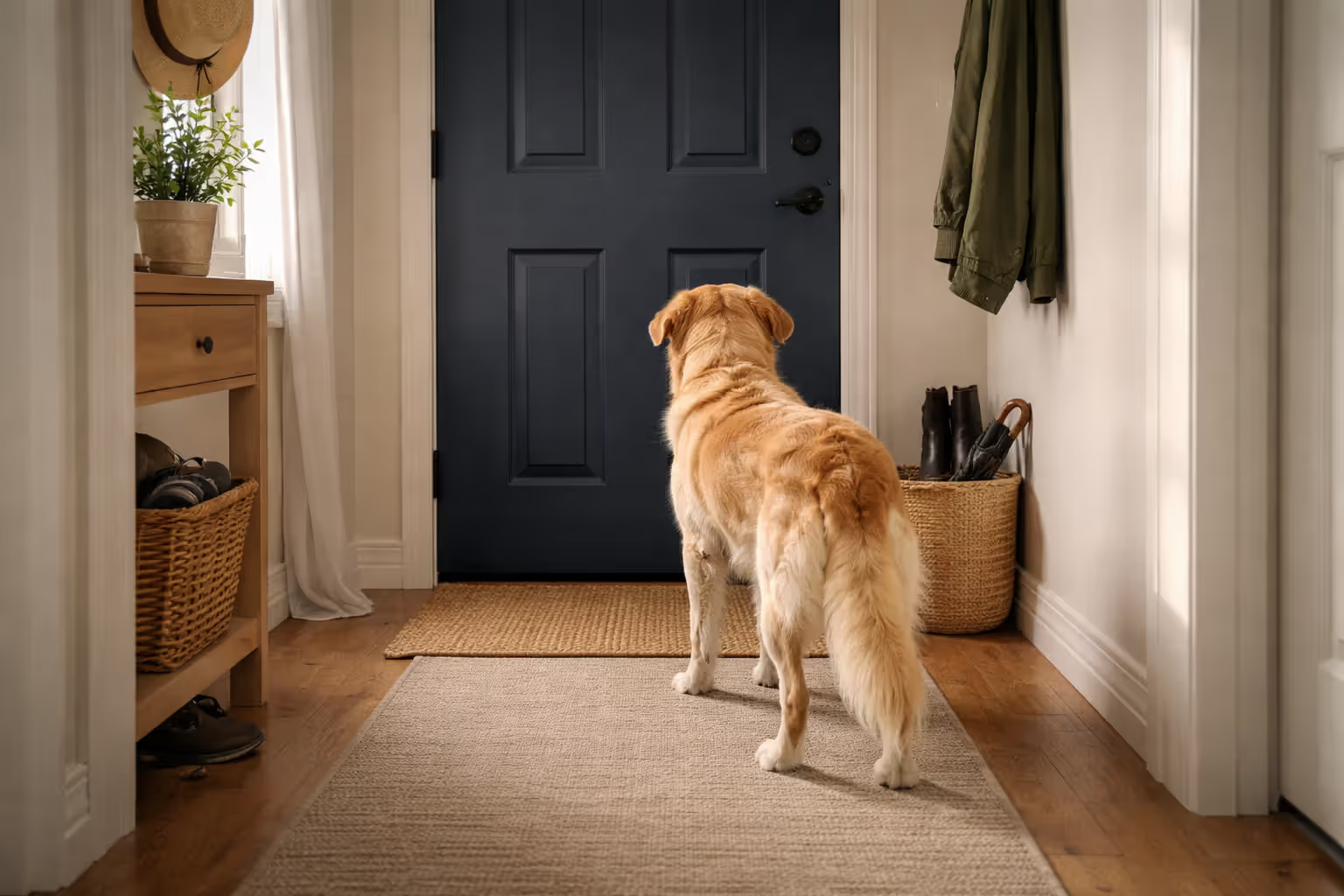
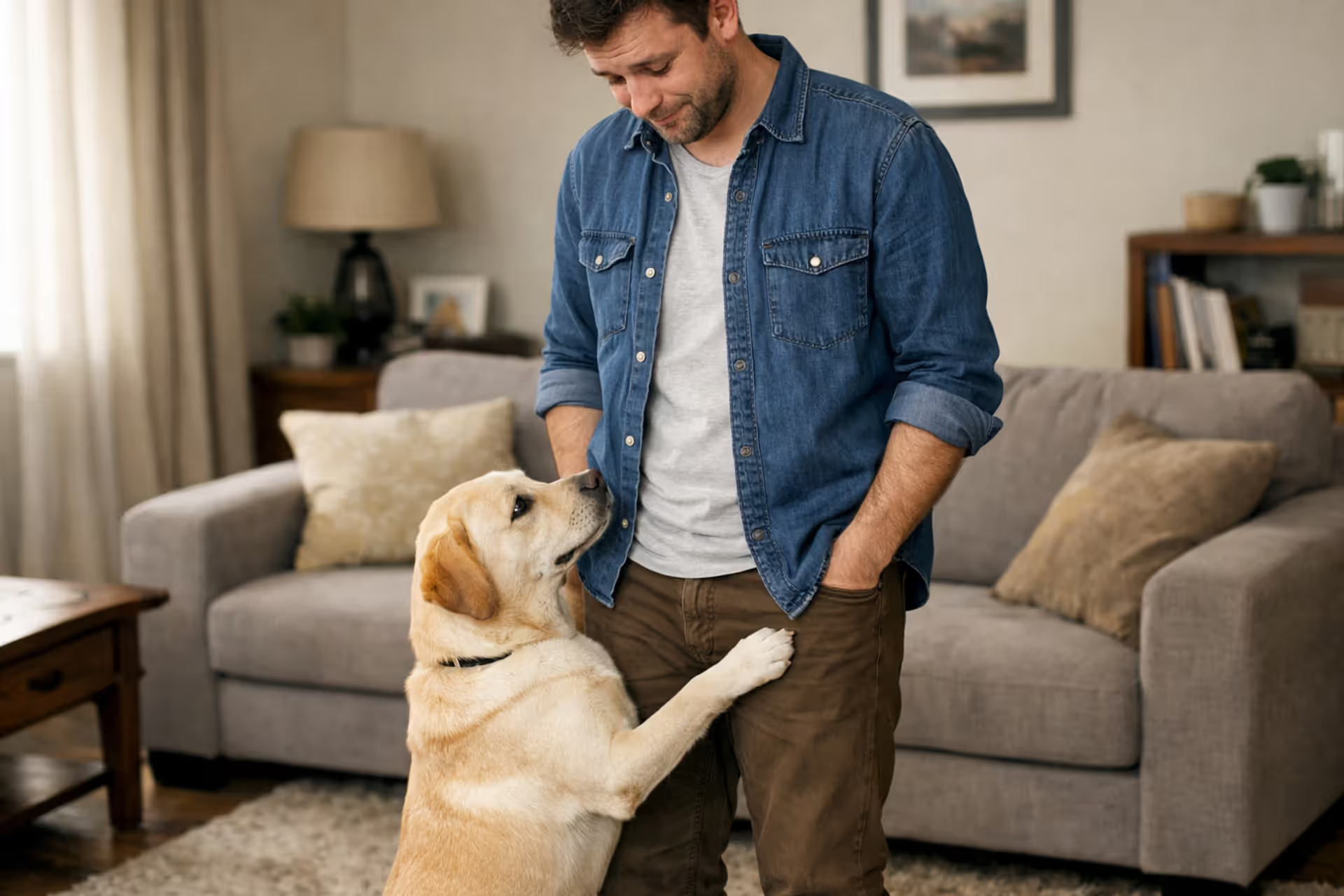
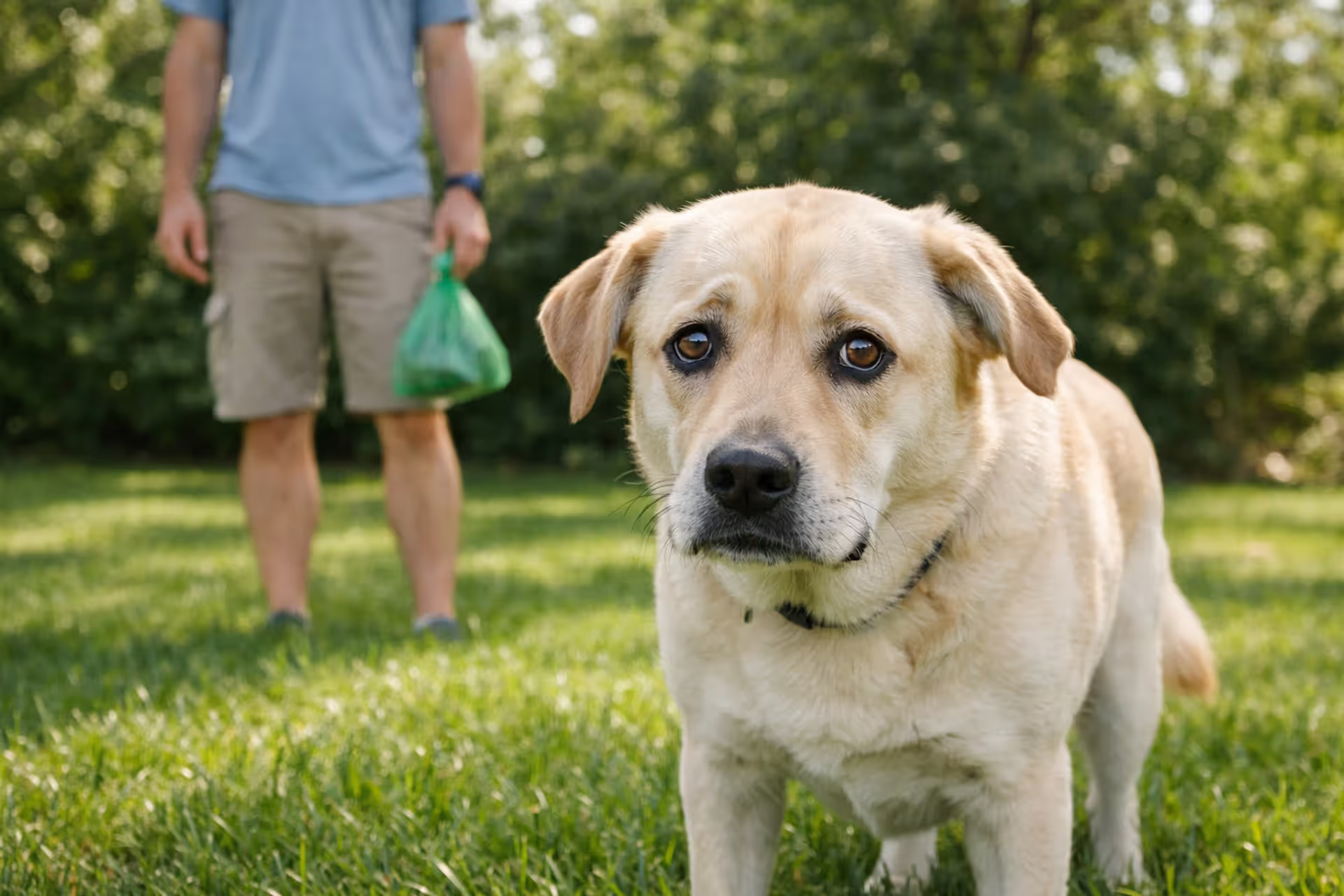
The good news? Most cases have fixable causes once you identify what's driving the behavior. The challenge lies in distinguishing between medical emergencies, behavioral setbacks, and normal age-related changes. A three-year-old Labrador pooping inside after a move requires different solutions than a twelve-year-old terrier with dementia.
This guide walks through the diagnostic process veterinarians use, then provides actionable protocols you can start today. You'll learn which symptoms demand immediate vet visits, how to rebuild potty habits without punishment, and when indoor solutions become the compassionate choice for aging dogs.
Common Reasons House-Trained Dogs Start Pooping Inside
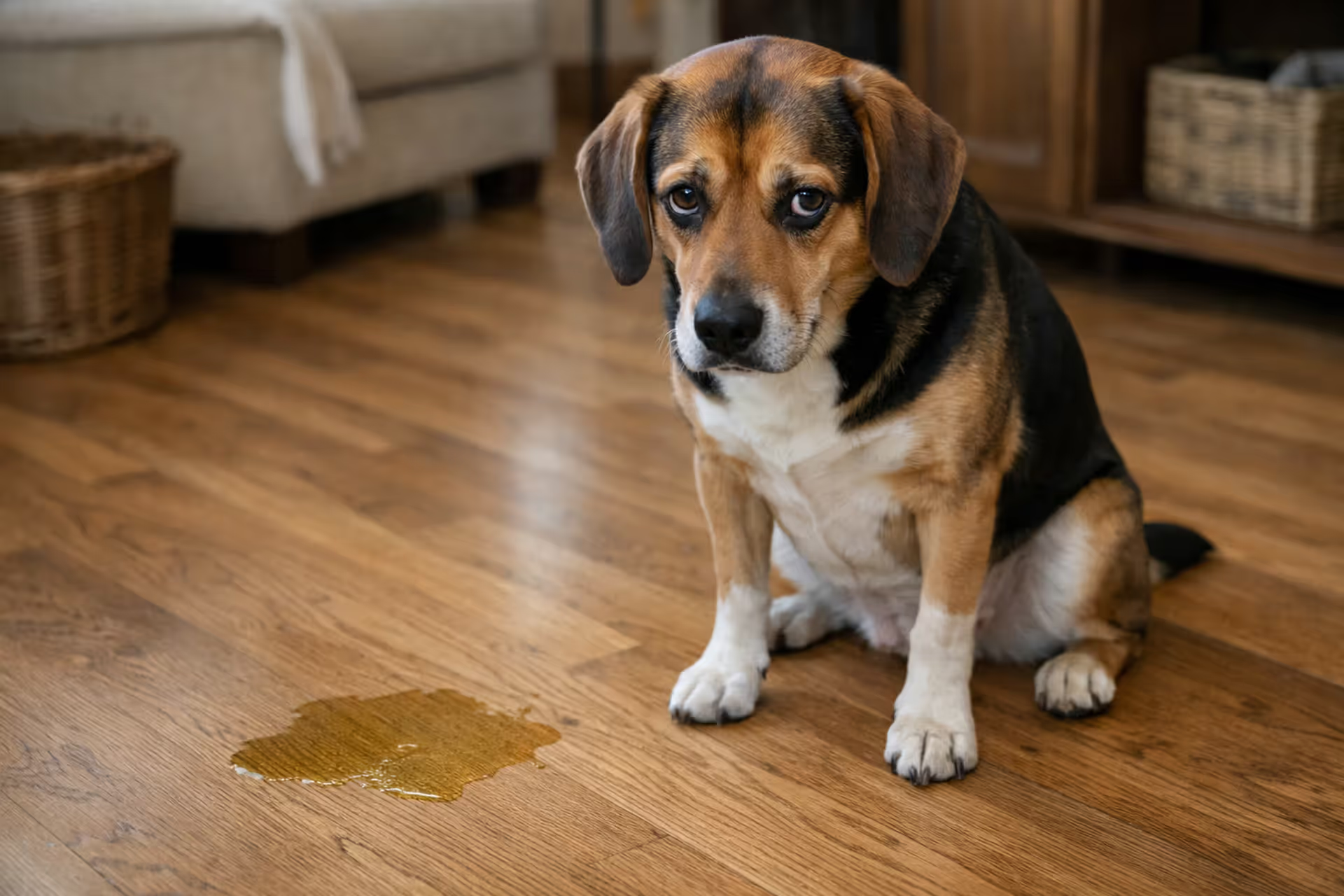
Dogs don't suddenly forget years of potty training out of spite. When a house-trained dog begins pooping inside, two categories of causes emerge: medical conditions affecting bowel control and behavioral factors disrupting established routines.
Medical triggers include anything that increases urgency, reduces control, or impairs cognition. A dog with diarrhea from food poisoning physically cannot hold it until you return from work. Senior dogs with canine cognitive dysfunction may forget they're indoors or lose the muscle tone needed for continence.
Behavioral causes stem from stress, incomplete training, or environmental changes. The dog who poops inside only when left alone likely struggles with separation anxiety. Another might have learned to go on pupee pads as a puppy but never generalized that outdoor grass is the only acceptable adult toilet.
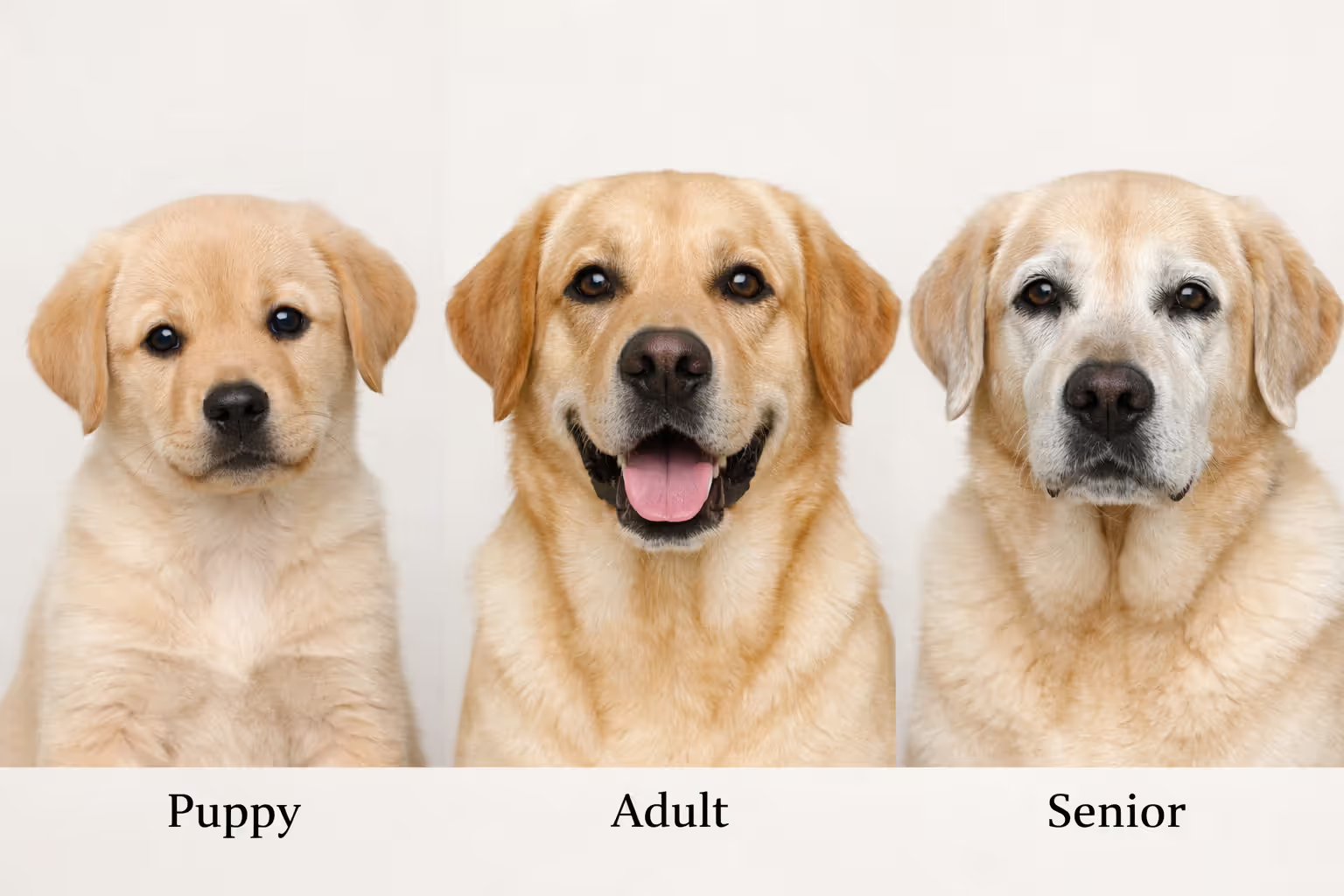
Age plays a significant role in narrowing possibilities. Puppies under six months often have accidents because their bowel control hasn't fully developed—they can typically hold it one hour per month of age, meaning a three-month-old puppy maxes out around three to four hours. Adult dogs between one and seven years with sudden onset usually point toward medical issues or major stressors like new babies or moves. Senior dogs over seven increasingly face age-related physical decline.
Author: Matthew Ridgeway;
Source: alwaysonsalepetsupplies.com
The distinction matters because treatment differs dramatically. Punishing a dog with inflammatory bowel disease worsens their anxiety without addressing inflammation. Conversely, accommodating behavioral marking with indoor pee pads can reinforce the exact behavior you want to eliminate.
Dogs do not have a concept of revenge or spite. When they eliminate indoors, they are responding to a physical need, an emotional state, or a gap in their training — never to punish their owners
— Dr. Ian Dunbar
Medical Conditions That Cause Indoor Accidents
Veterinarians estimate that 20-30% of adult dogs presenting with new-onset house soiling have underlying medical conditions. Gastrointestinal problems top the list, followed by cognitive issues in older animals and medication side effects.
Gastrointestinal disorders create urgency that overpowers training. Intestinal parasites like giardia or roundworms irritate the bowel lining, triggering frequent, loose stools. Inflammatory bowel disease causes chronic inflammation that makes holding stool uncomfortable or impossible. Food sensitivities—often to proteins like chicken or beef—can produce similar symptoms. These dogs typically show other signs: weight loss, vomiting, changes in appetite, or visible blood or mucus in stool.
Cognitive decline affects an estimated 28% of dogs aged 11-12 and 68% of dogs aged 15-16. Canine cognitive dysfunction syndrome mirrors human Alzheimer's, causing disorientation, disrupted sleep-wake cycles, and loss of housetraining. These dogs might stare at walls, wander aimlessly, or eliminate in front of you without apparent awareness. The decline happens gradually—first they forget to signal, then they forget where they are, finally losing bowel control entirely.
Medications commonly cause digestive upset as side effects. Antibiotics disrupt gut bacteria, NSAIDs irritate stomach linings, and steroids increase thirst and urination (which can indirectly affect bowel movements). If accidents started within two weeks of beginning new medication, call your vet about alternatives or supportive care.
Urinary tract infections and incontinence primarily affect urination but sometimes cause straining that leads to accidental defecation. Older female dogs particularly struggle with sphincter weakness after spaying. While these dogs usually squat and try to control themselves, the physical inability overrides their training.
Author: Matthew Ridgeway;
Source: alwaysonsalepetsupplies.com
Anal gland issues cause intense discomfort that makes dogs reluctant to posture properly outdoors. Impacted or infected glands create a feeling of incomplete evacuation, leading to small amounts of stool leaking indoors. You'll often notice scooting, excessive licking, or a fishy odor.
Warning Signs Your Dog Needs Immediate Veterinary Care
Schedule an emergency visit if you observe:
Blood in stool (bright red or dark, tarry black)
Repeated straining with little to no output (possible obstruction)
Lethargy combined with vomiting and diarrhea (risk of dehydration)
Sudden loss of coordination or circling (neurological emergency)
Abdominal distension or obvious pain when touched (potential bloat or obstruction)
Accidents accompanied by excessive thirst and urination (kidney disease, diabetes)
Author: Matthew Ridgeway;
Source: alwaysonsalepetsupplies.com
For non-emergency but concerning patterns, book a regular appointment if accidents persist beyond three days, occur more than twice weekly, or involve changes in stool consistency, color, or frequency.
Behavioral and Environmental Triggers for Indoor Pooping
Once medical causes are ruled out, behavioral factors become the focus. Dogs are creatures of habit—disruptions to routine, environment, or emotional state frequently manifest as house soiling.
Anxiety and stress trigger physiological responses that affect digestion. Separation anxiety causes some dogs to defecate within minutes of an owner leaving, often near exits. The behavior stems from panic, not spite. New household changes—babies, roommates, other pets, construction noise—create uncertainty that some dogs express through elimination. One client's Boxer started pooping indoors only after they adopted a cat; the dog wasn't adjusting to the social dynamic and needed slow, structured introductions.
Incomplete or inconsistent training leaves gaps in understanding. A dog trained exclusively on grass might refuse to eliminate on gravel or concrete when you move to a new home. Another learned that pee pads are acceptable and sees your bathroom rug as a similar texture. Inconsistency from multiple family members—one person allows the dog on furniture, another doesn't—creates confusion that can extend to potty rules.
Marking behavior differs from accidents. Intact males and some females deposit small amounts of feces in multiple locations to claim territory, especially in multi-dog homes or after visitors. Marking typically involves small volumes, vertical surfaces when possible, and strategic placement near doorways or new objects. True accidents involve full bladder or bowel release, often with signs of distress.
Schedule disruptions matter more than many owners realize. Dogs develop internal clocks around feeding and bathroom breaks. A person who usually arrives home at 5 p.m. but suddenly works until 8 p.m. leaves their dog holding it beyond their limit. Shift workers whose schedules change weekly often see corresponding accidents because the dog cannot establish a predictable rhythm.
Fear of outdoor elements keeps some dogs from eliminating properly outside. A dog startled by fireworks during a potty break may develop anxiety about that location. Extreme weather—thunderstorms, heavy snow, scorching pavement—makes outdoor elimination uncomfortable. Small breeds particularly dislike cold or wet conditions. These dogs rush outside, return quickly without eliminating, then relieve themselves indoors where they feel safe.
Substrate preferences develop early. Puppies raised in pet stores or puppy mills often eliminate on concrete or wire grates and struggle to transition to grass. They might hold it during outdoor walks, then immediately poop on your tile floor because it feels familiar.
Author: Matthew Ridgeway;
Source: alwaysonsalepetsupplies.com
How to Stop Your Dog From Pooping in the House: Step-by-Step Protocol
Fixing indoor pooping requires systematic troubleshooting, starting with medical clearance and rebuilding from foundation principles.
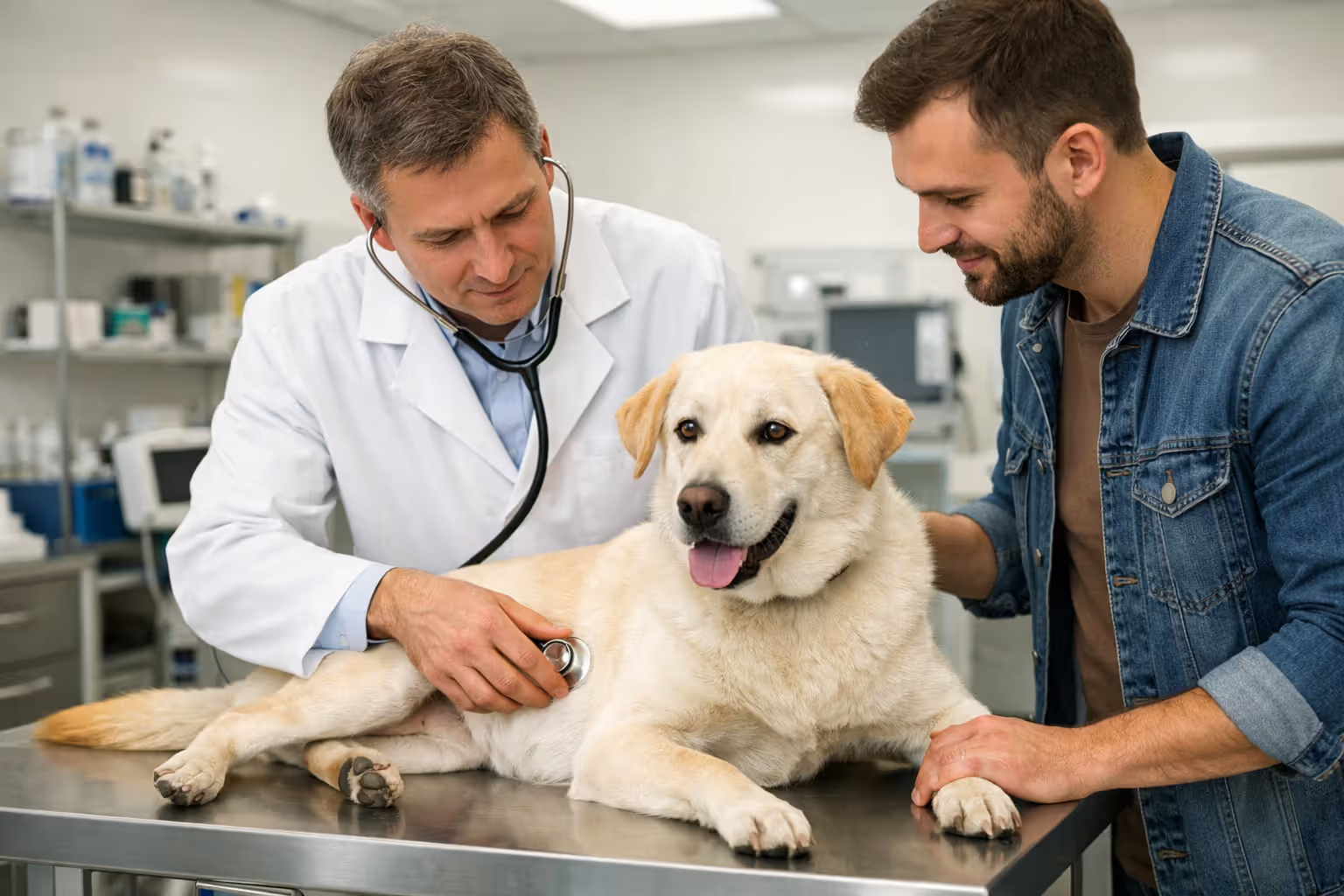
Step 1: Rule out medical issues first. Schedule a vet exam with a fresh stool sample. Describe the pattern: timing, frequency, stool consistency, and any other behavioral changes. Bloodwork and fecal tests identify most common culprits. Skipping this step wastes weeks addressing behavioral issues that don't exist.
Step 2: Re-establish potty training basics. Treat your dog like a puppy starting from scratch. Take them out first thing in the morning, after every meal, after play sessions, and before bed—minimum five to six trips daily for adults. Stay outside with them for at least 15 minutes per trip. Many owners let dogs out alone, then wonder why they don't go; dogs often need your presence to feel secure enough to eliminate.
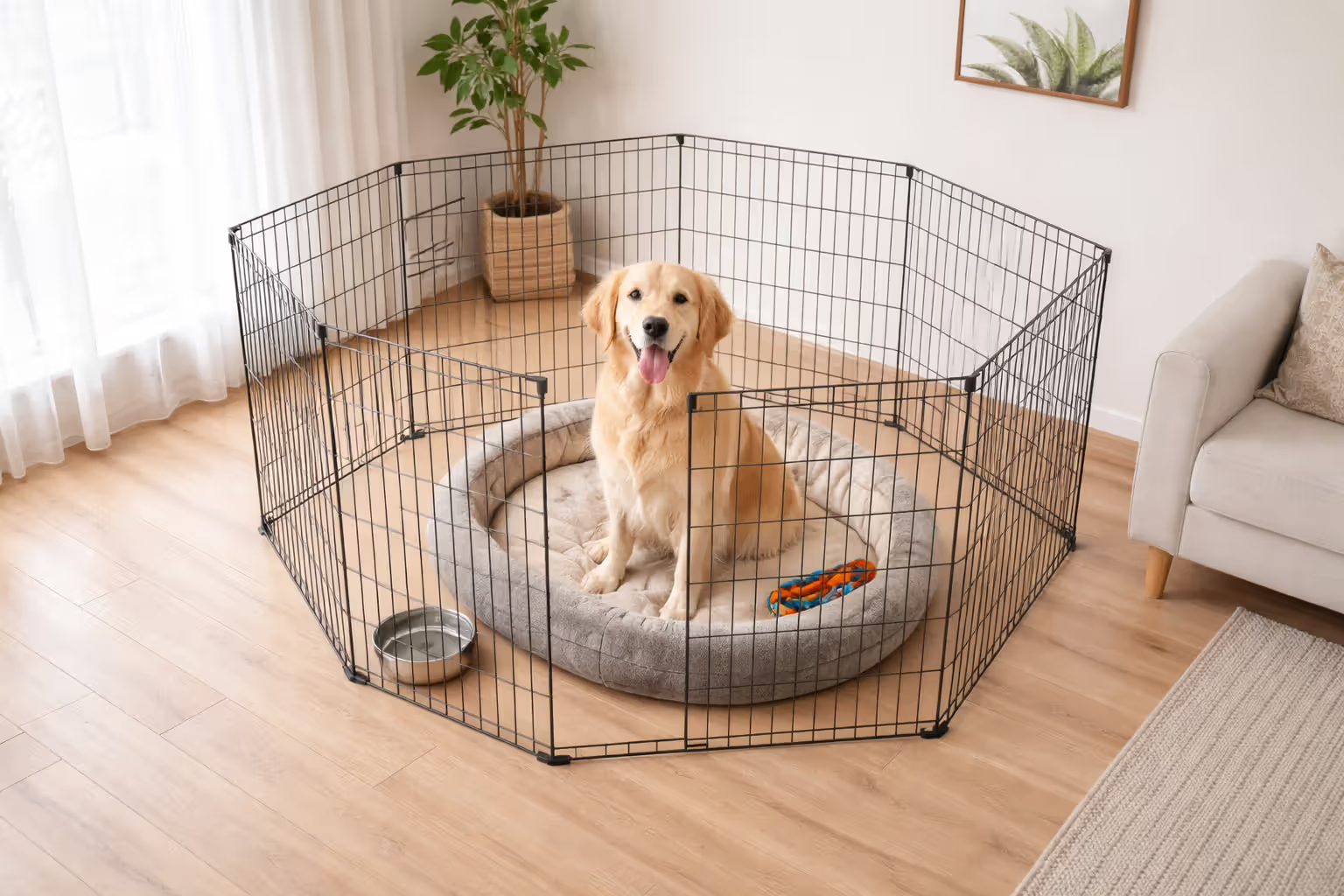
Step 3: Implement supervision and confinement. When you cannot actively watch your dog, confine them to a crate or small puppy-proofed room. Dogs instinctively avoid soiling their sleeping areas. Crates should be just large enough to stand, turn around, and lie down—too much space allows them to poop in one corner and sleep in another. For dogs with crate anxiety, try exercise pens or bathroom confinement with waterproof flooring.
Author: Matthew Ridgeway;
Source: alwaysonsalepetsupplies.com
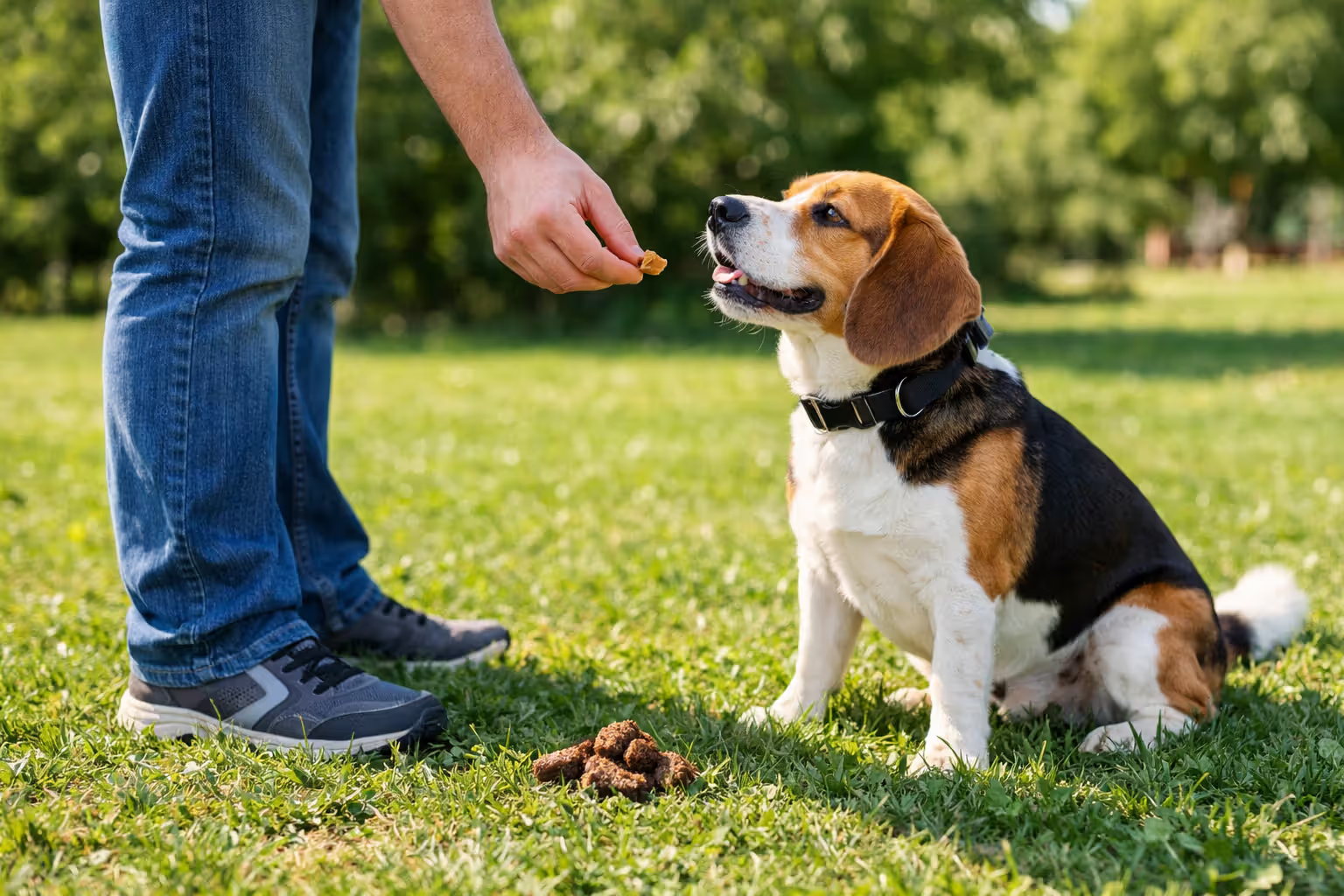
Step 4: Use positive reinforcement immediately. The second your dog finishes eliminating outdoors, deliver high-value treats (small pieces of chicken, cheese, or commercial training treats) and enthusiastic praise. Timing matters—rewards given after you return inside don't create the association. Some owners use clicker training to mark the exact moment of completion.
Step 5: Eliminate odors with enzymatic cleaners. Standard cleaners mask smells humans detect but leave scent markers dogs can still smell. Enzymatic cleaners break down the organic compounds in urine and feces. Soak the area thoroughly—surface cleaning isn't enough. Consider replacing carpet padding in heavily soiled areas, as odors penetrate deeply.
Step 6: Adjust feeding schedules for predictability. Feed adult dogs at the same times daily—most do well with two meals 12 hours apart. What goes in on schedule comes out on schedule. Most dogs need to defecate 15-30 minutes after eating. Free-feeding (leaving food out all day) creates unpredictable bathroom timing.
Step 7: Gradually increase freedom. Once your dog goes seven consecutive days without accidents, expand their access to one additional room. Maintain supervision. If accidents resume, return to more restricted access for another week. This gradual process can take 4-8 weeks for adult dogs, longer for seniors with cognitive issues.
Dog Age
Expected Training Duration
Key Challenges
Success Rate
Puppies (under 6 months)
4-6 months for full reliability
Limited bladder/bowel control; short attention spans; frequent accidents during play
95%+ with consistent training
Young adults (6 months–3 years)
2-6 weeks for retraining
Adolescent stubbornness; established bad habits; marking behaviors emerge
90%+ if medical issues ruled out
Adults (3–7 years)
3-8 weeks for retraining
Ingrained routines; stress-related setbacks; requires identifying specific triggers
Never punish after the fact. Rubbing a dog's nose in feces or yelling when you discover an accident hours later doesn't teach them not to poop inside—it teaches them you're unpredictable and scary. Dogs live in the present; they cannot connect punishment to an action completed even 30 seconds earlier.
Don't use punishment during the act. Startling a dog mid-elimination teaches them to hide and poop behind furniture or in other rooms, not to go outside. If you catch them starting to squat indoors, calmly interrupt with a neutral "outside" and immediately take them to the appropriate spot.
Avoid using pee pads as a long-term solution for able-bodied adult dogs. While useful for puppies or during illness, pads teach dogs that indoor elimination is acceptable. Transitioning from pads to outdoor-only becomes another training challenge. Exceptions apply for seniors with mobility issues or apartment dogs without easy outdoor access.
Don't rush the process. Expecting a dog to be reliable after three days of retraining sets you up for frustration. Behavioral change takes time, especially for anxious dogs or those with months of reinforced bad habits.
Special Considerations for Older Dogs Pooping Indoors
Senior dogs present unique challenges that require adjusted expectations and compassionate management strategies. A 13-year-old dog who suddenly loses house training likely faces age-related decline, not behavioral defiance.
Age-related muscle control loss affects the sphincter muscles that control bowel movements. Just as elderly humans may experience incontinence, senior dogs lose muscle tone. This process is gradual and irreversible, though medications can sometimes slow progression. These dogs often show signs of distress—they know they're supposed to hold it but physically cannot.
Expecting an aging dog to maintain the same level of continence as a healthy adult is like expecting a marathon runner to perform at peak after a decade of retirement. The body changes, and our expectations must change with it
— Dr. Nicholas Dodman
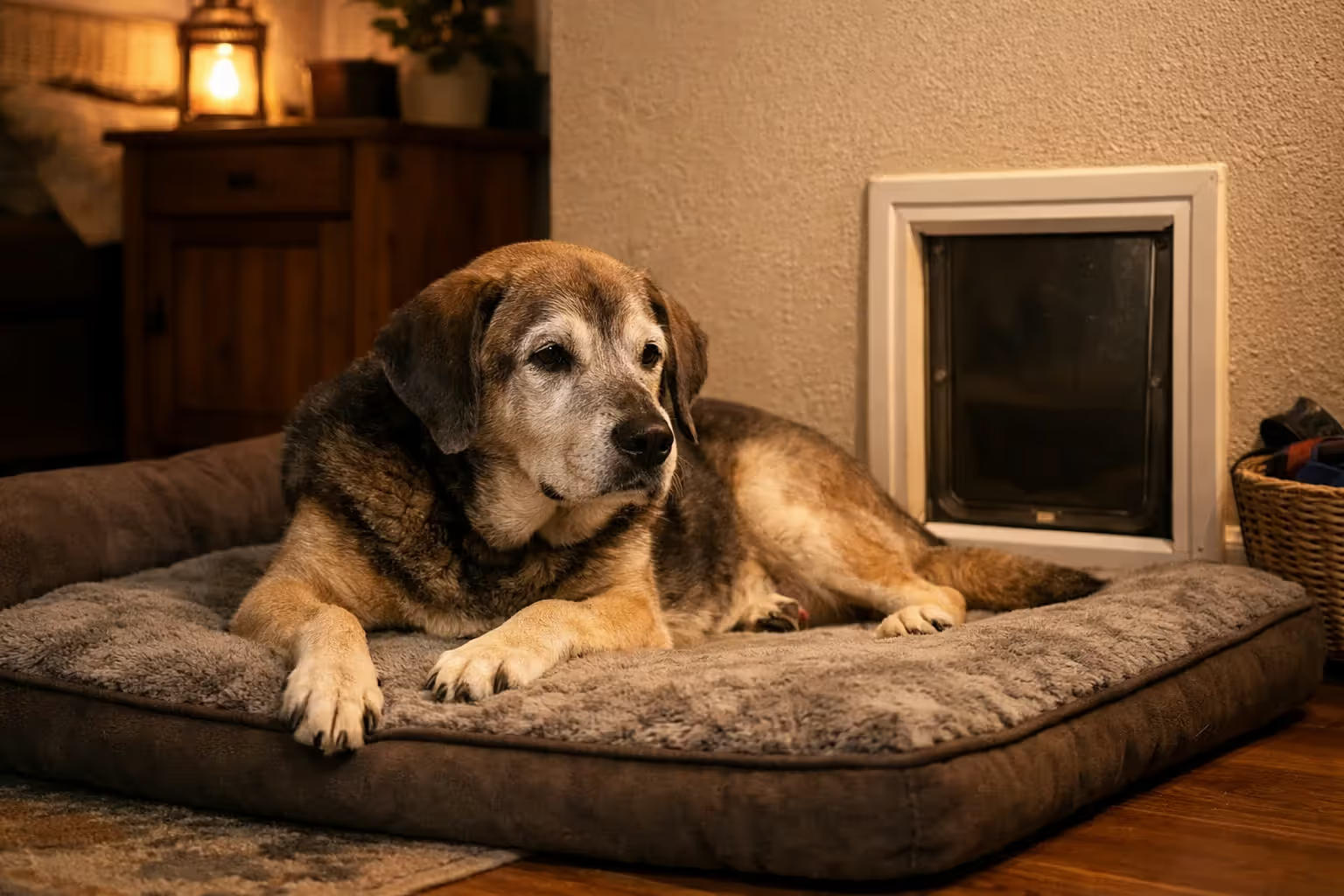
Cognitive dysfunction management focuses on maintaining quality of life rather than achieving perfect house training. Dogs with dementia benefit from increased bathroom breaks (every 2-3 hours), well-lit pathways to outdoor areas, and nightlights to reduce confusion. Some owners install doggy doors so dogs can access fenced yards independently when the urge strikes at odd hours.
Author: Matthew Ridgeway;
Source: alwaysonsalepetsupplies.com
Medications like selegiline (Anipryl) may slow cognitive decline in some dogs. Anti-anxiety medications help dogs distressed by their own confusion. Discuss options with your vet, understanding that these treatments manage symptoms rather than cure underlying conditions.
Creating indoor solutions becomes the humane choice when outdoor access isn't realistic. Washable pee pads or artificial grass patches placed near exits give seniors with limited mobility a closer option. Dog diapers or belly bands contain accidents during times when supervision lapses. Many owners designate a tiled bathroom or laundry room as an acceptable indoor potty area for dogs who can no longer signal or hold it through the night.
Adjusting your expectations matters for your mental health and your dog's dignity. A dog who gave you 10 years of perfect house training doesn't deserve frustration or anger when age catches up with them. Frequent cleaning, washable rugs, and realistic acceptance that senior dogs sometimes have accidents preserves your bond during their final years.
Some owners face the difficult question of when quality of life has declined too far. If a senior dog seems distressed by their inability to control elimination, shows signs of pain, or has stopped engaging with family, discuss end-of-life options with your veterinarian. There's no shame in choosing comfort over prolonging suffering.
Frequently Asked Questions About Dogs Pooping in the House
Why is my house-trained dog suddenly pooping inside at night?
Nighttime-only accidents in previously reliable dogs often indicate either a schedule problem or a medical issue. If the time between their last bathroom break and morning has stretched beyond their capacity—common when owners stay up later or sleep in—they simply cannot hold it for 10-12 hours. Senior dogs with cognitive dysfunction become disoriented in the dark and forget where they are. Gastrointestinal issues that cause urgency also manifest at night when dogs have been holding it for hours. Try adding a late-night bathroom break right before bed and another first thing upon waking. If accidents persist, schedule a vet exam focusing on cognitive function and digestive health.
How long does it take to retrain a dog to stop pooping indoors?
Retraining duration varies by age, underlying cause, and consistency of your protocol. Young adult dogs with behavioral causes typically show improvement within 2-4 weeks of consistent training, achieving full reliability by 6-8 weeks. Puppies require 4-6 months to develop complete bowel control and reliable habits. Senior dogs with cognitive issues may need 8-12 weeks and might never achieve 100% reliability, requiring long-term management strategies. The key factor is consistency—every family member must follow the same schedule, use the same commands, and respond to accidents identically. Inconsistency extends retraining time by weeks or months.
Can stress really cause my dog to poop in the house?
Absolutely. Stress triggers the release of cortisol and adrenaline, which affect digestive motility and can cause diarrhea or urgent bowel movements. Separation anxiety commonly causes dogs to defecate within minutes of an owner leaving—the panic response literally moves their bowels. Major life changes like moving, new family members, or loss of a companion animal create uncertainty that manifests as house soiling. Some dogs develop stress-induced colitis, where anxiety causes inflammation that produces loose, frequent stools. Managing stress through gradual desensitization, increased exercise, puzzle toys, and sometimes anti-anxiety medication addresses the root cause rather than just the symptom.
Should I punish my dog for pooping inside?
No. Punishment doesn't teach dogs where they should eliminate—it only teaches them to fear you and hide their accidents. Dogs cannot connect punishment to an action completed minutes or hours earlier; they live in the immediate moment. Even catching them in the act and yelling creates fear without understanding. Punishment often worsens anxiety-related house soiling by adding stress. Instead, focus on preventing opportunities for accidents through supervision and confinement, rewarding outdoor elimination enthusiastically, and cleaning indoor accidents thoroughly without drama. If you catch your dog starting to squat, calmly interrupt and immediately take them outside to finish.
What's the difference between a potty training issue and a medical problem?
Medical problems typically show sudden onset in previously reliable adult dogs, changes in stool consistency (loose, bloody, mucus-covered), increased frequency, signs of urgency or straining, and often accompany other symptoms like vomiting, lethargy, or appetite changes. Behavioral issues usually involve normal-looking stool, patterns tied to specific triggers (owner leaving, visitors, schedule changes), and dogs who otherwise act healthy. The table earlier in this article compares specific scenarios. When in doubt, start with a vet exam—it's easier to address behavioral issues once you've ruled out medical causes than to waste weeks on training when your dog has inflammatory bowel disease or parasites.
Do certain dog breeds have more indoor pooping problems?
Small breeds like Chihuahuas, Yorkshire Terriers, and Dachshunds statistically show higher rates of house soiling, partly due to their small bladder capacity and partly because owners sometimes tolerate accidents more readily than with large breeds. Brachycephalic breeds (bulldogs, pugs) may struggle with outdoor elimination in extreme temperatures due to breathing difficulties. Herding breeds with high anxiety tendencies (Border Collies, Australian Shepherds) more commonly develop stress-related house soiling. Senior-prone breeds like Golden Retrievers and Labrador Retrievers face age-related cognitive decline earlier than some other breeds. However, any dog of any breed can develop house soiling issues given the right combination of medical conditions, stress, or training gaps. Breed tendencies matter less than individual health status and environmental factors.
Dealing with a dog pooping in the house tests patience, but most cases resolve once you identify and address the underlying cause. Start with a thorough veterinary exam to rule out medical conditions—treating inflammatory bowel disease or cognitive dysfunction requires professional intervention, not just better training. For behavioral causes, return to foundational potty training principles: consistent schedules, supervision, confinement when unsupervised, immediate rewards for outdoor elimination, and enzymatic cleaning of accident sites.
Senior dogs deserve special consideration. Age-related decline sometimes means accepting that perfect house training is no longer realistic. Indoor potty solutions, diapers, and increased bathroom breaks maintain dignity and comfort during their final years.
The key is responding systematically rather than emotionally. Punishment doesn't work and damages your relationship. Consistency, patience, and willingness to adjust your expectations based on your dog's age and health status create the path forward. Most dogs want to please you—they just need clear communication and physical ability to succeed.
Wondering why your dog humps people, other dogs, or random objects? You’re not alone. Discover the real triggers behind mounting behavior, find out when it’s completely normal, and learn 5 proven training methods that actually work to stop it for good
Discover why dogs eat poop, what health risks coprophagia carries, and 7 proven methods to stop this behavior fast. Vet-backed solutions that actually work — for puppies and adult dogs alike. Your clean, stress-free walks start right here
Discover why dogs eat grass, what it means for their health, and when to take action. Learn the science behind this common behavior, its link to vomiting, and how to keep your dog safe while grazing. Find out which signs are normal, which are red flags, and what vets recommend
Discover why dogs eat dirt — from boredom and nutritional gaps to pica and hidden illness. Understand the real health risks, spot the warning signs early, and apply 7 vet-approved methods to stop this behavior for good
The content on this website is provided for general informational and educational purposes only. It is intended to offer guidance on dog breeds, behavior, health, care, and lifestyle, and should not be considered a substitute for professional veterinary advice, diagnosis, or treatment.
All information published on this site is based on general knowledge, widely accepted research, and practical experience, but individual dogs may differ in behavior, health conditions, and needs. Results and outcomes may vary depending on the dog, environment, and circumstances.
The website is not responsible for any errors or omissions, or for actions taken based on the information provided. For specific concerns regarding your dog’s health or behavior, always consult a qualified veterinarian or professional dog specialist.