The good news? Most cases have fixable causes once you identify what's driving the behavior. The challenge lies in distinguishing between medical emergencies, behavioral setbacks, and normal age-related changes. A three-year-old Labrador pooping inside after a move requires different solutions than a twelve-year-old terrier with dementia.
This guide walks through the diagnostic process veterinarians use, then provides actionable protocols you can start today. You'll learn which symptoms demand immediate vet visits, how to rebuild potty habits without punishment, and when indoor solutions become the compassionate choice for aging dogs.
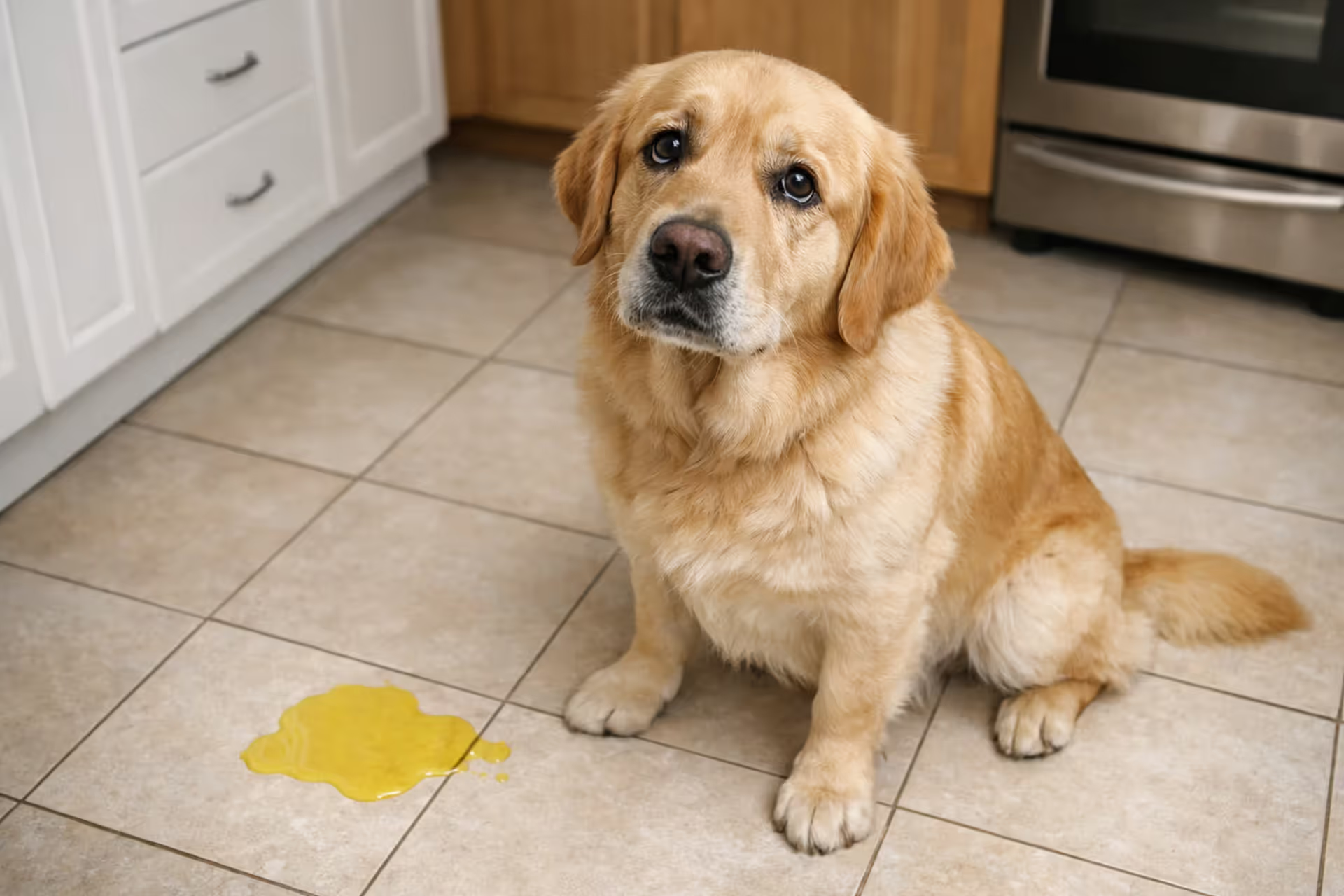
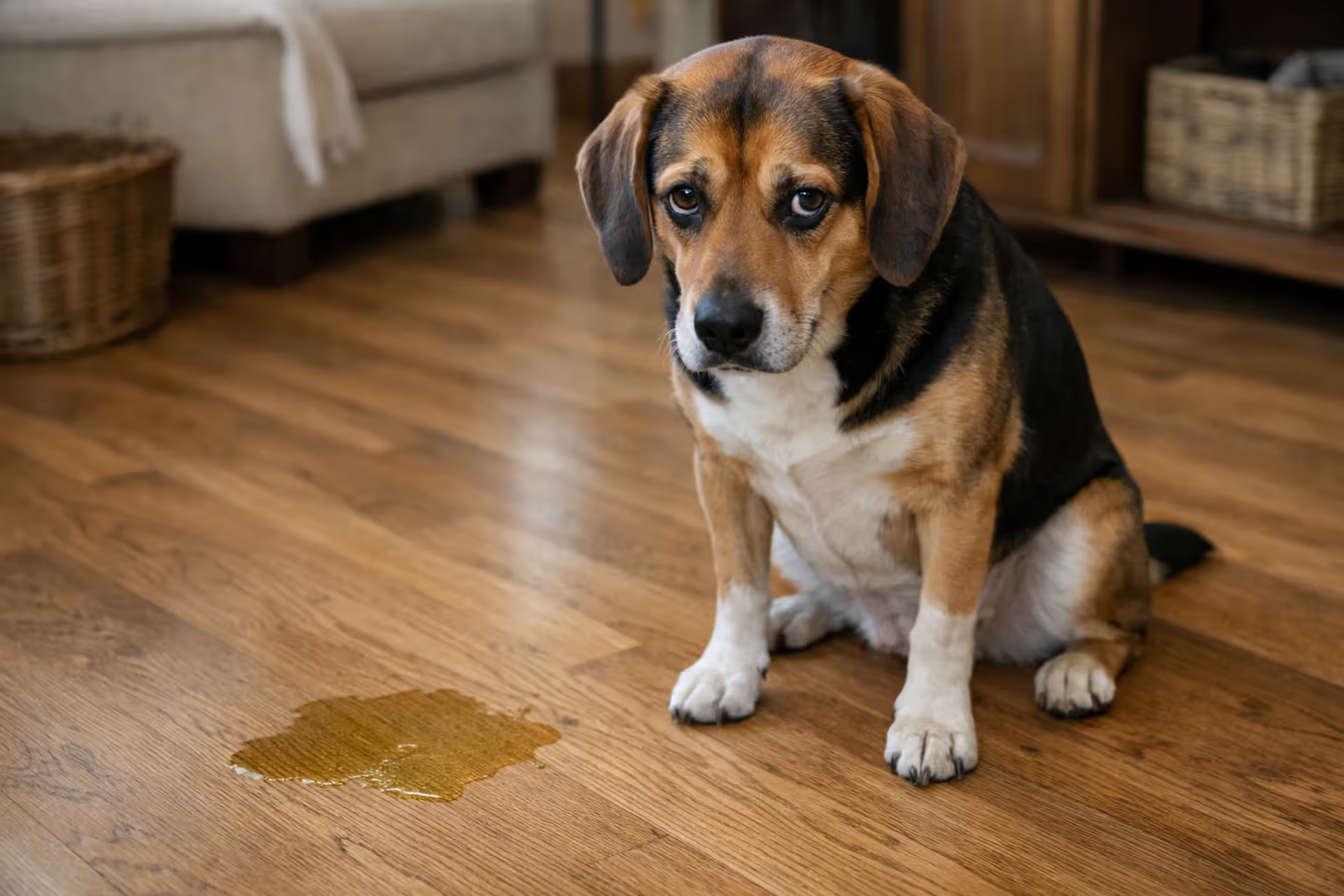
Dogs don't suddenly forget years of potty training out of spite. When a house-trained dog begins pooping inside, two categories of causes emerge: medical conditions affecting bowel control and behavioral factors disrupting established routines.
Medical triggers include anything that increases urgency, reduces control, or impairs cognition. A dog with diarrhea from food poisoning physically cannot hold it until you return from work. Senior dogs with canine cognitive dysfunction may forget they're indoors or lose the muscle tone needed for continence.
Behavioral causes stem from stress, incomplete training, or environmental changes. The dog who poops inside only when left alone likely struggles with separation anxiety. Another might have learned to go on pupee pads as a puppy but never generalized ...